

The Nature of Luck in Gambling
Luck is often defined as a chance occurrence that brings about a positive or negative outcome. In the context of gambling, it plays a pivotal role, influencing players’ experiences and decisions. While some might argue that luck is purely random, others believe that certain elements can be manipulated to sway outcomes, even if just marginally. For instance, many enjoy playing at a neosurf casino australia where the odds might feel more favorable. Ultimately, the very foundation of gambling rests on the unpredictable nature of luck, which can be exhilarating for participants.
Understanding the psychology behind luck can also illuminate players’ behaviors in gambling scenarios. Many gamblers develop superstitions or rituals they feel enhance their luck, such as wearing specific clothing or following particular routines before placing bets. This phenomenon showcases how psychological factors intertwine with the notion of luck, creating an illusion of control over inherently random events. Interestingly, this blend of psychology and chance can impact how individuals perceive their wins and losses.
Furthermore, luck operates in cycles and can behave in patterns over time, leading to the belief in ‘hot’ and ‘cold’ streaks. Players may observe when a table, game, or dealer appears to be favoring certain outcomes. This belief, while grounded in subjective experience, adds a layer of complexity to gambling. Players might mix probabilities and perceptions, thereby creating a unique interplay between strategy and luck, which defines their gambling experience.
Strategies to Influence Outcomes
While pure luck is beyond control, many gamblers seek strategies to enhance their potential for success. Certain games, especially those involving skill, like poker or blackjack, allow players to make decisions that can shift the odds in their favor. Understanding game mechanics, probabilities, and employing techniques such as card counting or bluffing can significantly enhance one’s chances. In this sense, skill introduces a level of controllability that contrasts with the randomness associated with luck.
Moreover, setting limits and adjusting betting strategies can also affect how results unfold in gambling. Players might decide to increase their wager during winning streaks or cut back when on a losing spree. Such strategies might not change the luck factor but can help manage the emotional highs and lows that come with gambling. This practical approach serves to balance the thrill of chance with calculated decision-making.
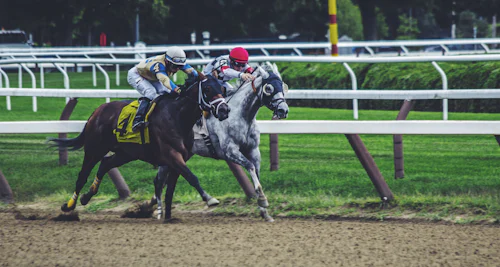
Another noteworthy tactic involves the understanding of game odds and risk management. Selecting games with better odds provides a statistical advantage, allowing players to make informed decisions. While luck remains a constant factor, employing sound strategies can lead to more favorable long-term outcomes. This methodology illustrates that while luck cannot be controlled, numerous ways exist for players to engage with it intelligently and responsibly.
The Role of Technology in Gambling
Technological advancements have transformed the landscape of gambling, introducing tools and features that aim to balance chance and skill. Online platforms often provide detailed statistics and analytics that enable players to make informed decisions. These tools can demystify the process of gambling, helping players gauge their performance and refine their strategies over time. As a result, technology serves to enhance the existing interplay of luck and skill.
Additionally, the rise of artificial intelligence in gaming has allowed for a more tailored gambling experience. AI can analyze vast amounts of data to reveal patterns or provide insights that traditional methods might miss. This elevated level of analysis can empower players to make more strategic decisions, effectively tightening the relationship between actions taken and outcomes received, even if randomness is still a critical element.
However, it is important to remember that reliance on technology does not eliminate luck from the equation. While tools may provide a false sense of control, they cannot guarantee success in an inherently unpredictable environment. The interplay of technology, strategy, and luck continues to define modern gambling, reminding participants of the thrill that comes with uncertainty.
Cultural Perspectives on Luck and Gambling
Different cultures have unique perspectives on luck and its role in gambling. For instance, in some societies, luck is seen as a divine influence, determining who wins and who loses. This belief can heavily influence gambling behaviors, leading to rituals meant to attract good fortune. Contrastingly, other cultures may adopt a more pragmatic view, emphasizing skill and strategy over reliance on luck, reflecting their values and societal norms toward gambling.
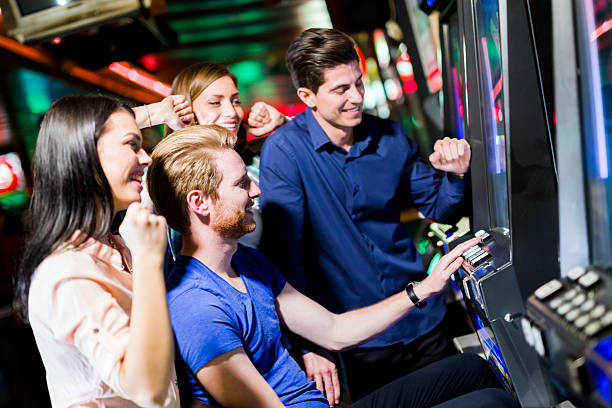
Additionally, the societal experience of gambling can create a sense of shared luck among participants. In many cultures, communal gambling events foster a sense of camaraderie, where luck is perceived as something that can be shared or enhanced among a group. These communal experiences not only deepen the social aspect of gambling but also contribute to individual beliefs about luck, illustrating how cultural context shapes perceptions and behaviors surrounding chance-based activities.
In examining these cultural differences, one can appreciate how luck serves not only as a gamble but as a pivotal narrative that shapes the human experience. The psychological and social elements interwoven with luck provide rich insights into why individuals engage in gambling, seeking both excitement and meaning in the outcomes, regardless of the actual control they possess over luck itself.
Conclusion: The Balance of Luck and Control in Gambling
In conclusion, the debate over whether luck can be controlled in gambling reveals a complex relationship between chance, skill, and environmental factors. While luck remains an uncontrollable force, players can employ strategies that enhance their chances of success. Techniques that focus on skillful play, strategic betting, and informed decision-making help to mitigate the unpredictability of gambling.
As modern technology continues to evolve, it will likely further blur the lines between luck and skill. While players might not control luck itself, they can leverage available tools and strategies to navigate the gambling landscape more effectively. This balance of skill and strategy amidst the whims of chance adds depth to the gambling experience and cultivates a more responsible approach to the activity.
Ultimately, understanding the dynamics of luck and control in gambling can empower players to approach their experiences with a balanced mindset. Embracing the unpredictable nature of luck while employing strategic thinking allows for a more rewarding and engaging gambling experience, enriching both the thrill of the game and the journey of individual players.
